KATS Academy
Accelerate Your Career with Expert Training
MEET THE TEAM
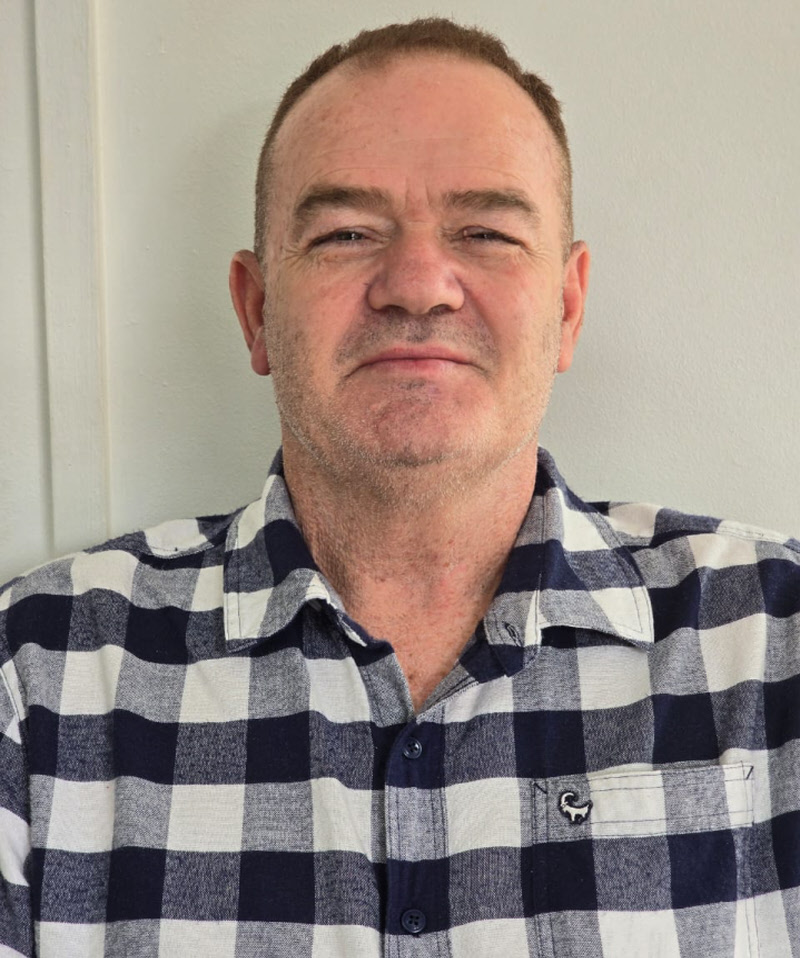
Steven Meyer
CEO

Nisha Rampersadh
Director

Charles Meyer
Sales & Admin

Peter Meyer
IT Systems

Peter Funeka
Assessor

Wilfred Malamba
Assessor

Kyl Naidoo
Trainer

Joshua Meyer
Trainer

Navin Wudistha
Administration
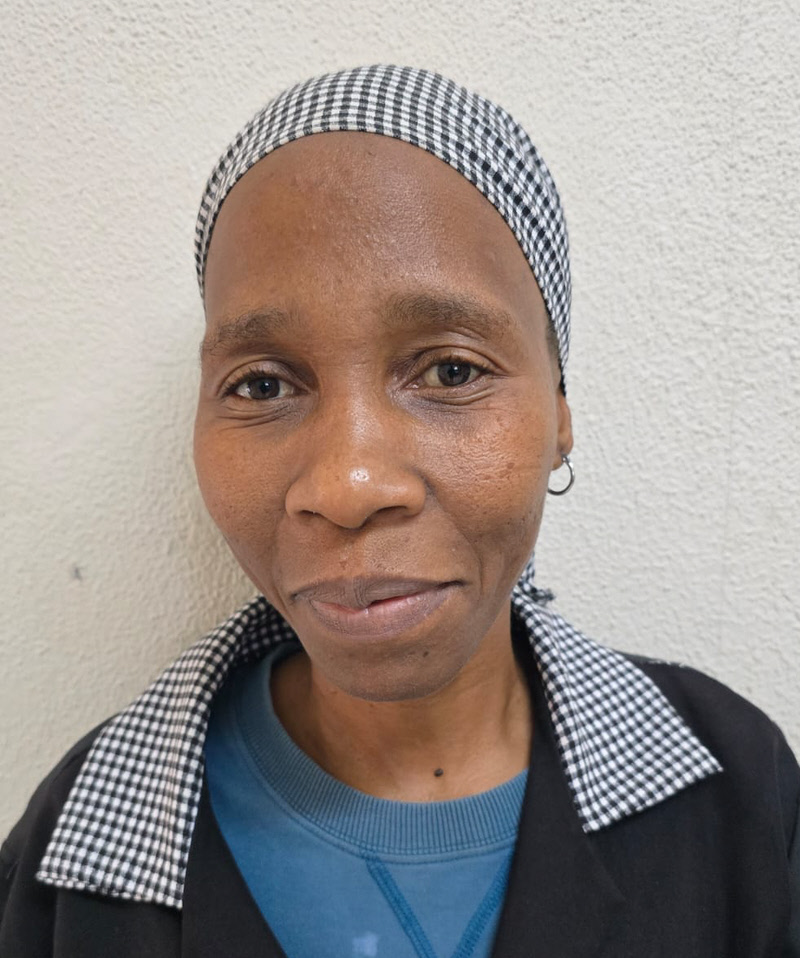
Nokuthula Zulu
Office Services
Certification and Accreditation
Certification and Accreditation: KATS Academy is a Decentralised Trade Testing facility & Training Centre (DTTC). That provides pre-trade diesel and petrol training. As well as a range of other automotive industry related courses, which are accredited. We are, accredited by merSETA and NAMB (National Artisan Moderation Body).
| South African Institution | Description | Status |
|---|---|---|
| South Africa: National Artisan Moderation Body (NAMB) | JHB Decentralised Trade Testing Facility (DTTC) Motor Mechanic. Accreditation number AC000067NAMB | Current |
| South Africa: National Artisan Moderation Body (NAMB) | dKZN Decentralised Trade Testing Facility (DTTC) Motor and Diesel Mechanic. Accreditation number AC000067NAMB | Current |
| South Africa: National Artisan Moderation Body (NAMB) | KZN Training Provider Motor Mechanic. Accreditation number SDP1223/16/006 | Current |
| South Africa: National Artisan Moderation Body (NAMB) | KZN Training Provider Diesel Mechanic. Accreditation number SDP1223/16/006 | Current |
Skills Programmes
Skills Programmes: A Skills Programme is an occupation-based learning programme aimed at building skills that have economic value, and which incorporates at least one unit standard. It is registered by a SETA and delivered by an accredited training provider and it leads to a qualification registered on the NQF.
| Qualification | SAQA Qual ID | NQF Level | Outcome |
|---|---|---|---|
| Occupational Certificate: Automotive Sales Advisor | 04 | 224 (Min Credit) | LINK |
| Automotive Sales Advisor | 04 | 147 Credits | LINK |
| Understanding the basics of marketing: Non-Credit bearing | 00 | 00 Credits | - |
Technical Courses
Technical Courses: At KATS Academy, we offer a comprehensive range of technical courses designed to equip individuals with the essential skills and knowledge needed in the automotive and engineering industries. Our courses are meticulously crafted to provide both theoretical foundations and hands-on practical experience, ensuring that our learners gain real-world proficiency and confidence. Whether you're advancing your career or starting out in the trade, these courses are tailored to meet the demands of modern vehicle technology, repair, and maintenance.
| Course Name | Description | Duration |
|---|---|---|
| CBMT Level Based Training (Level 1) Petrol (1 Day - Trade Test) | Chapters 1-13: The introduction to automotive technology and competency-based learning begins by covering vehicle design, engine classification, and performance tests. Workshop safety and first aid are highlighted, including fire safety and standard safety measures. Identifying lubricants, metals, and materials is crucial, followed by a detailed overview of tools used in the trade, such as diagnostic and lifting equipment. The next section focuses on locking devices, fasteners, and torque. Fitting gaskets and seals is then explored. Basic hand skills, motor vehicle components, lubrication systems, basic electricity, lifting equipment usage, vehicle servicing procedures, and workplace communication round out the learning modules. | 10 Days |
| CBMT Level Based Training (Level 2) Petrol (2 Days - Trade Test) | Chapters 1-11: Level 2 begins by covering the fundamentals of technology, including engine construction, cylinder heads, valves, gaskets, and diagnosing engine conditions through various tests. The focus then shifts to identifying, removing, and replacing bushes, bearings, and wheel components. Servicing motor vehicle components, such as removing and replacing engines, hydraulic brakes, and drive chain components, is also explored. Fuel system components, emissions control, and cooling system maintenance are detailed, followed by engine lubrication. The removal and replacement of suspension and steering system components are discussed, along with tyre maintenance and wheel alignment. Metal fusing techniques, such as welding and soldering, are introduced. Lastly, lighting systems, their circuits, and maintenance are examined. | 10 Days |
| CBMT Level Based Training (Level 3) Petrol (3 Days - Trade Test) | Chapters 1-10: Level 3 begins with the removal, reconditioning, and reassembly of cylinder heads, followed by the dismantling, servicing, and assembly of the engine block and its components. Fuel system diagnostics and maintenance are covered next, along with the principles of basic electricity. Ignition systems are examined, including component testing and replacement. The fundamentals of engine efficiency and forced charging systems such as turbochargers and superchargers are explored. Electrical components like circuits, motors, and lighting systems are also addressed. Clutch and transmission components are discussed, as well as fault diagnosis and repair of brake systems. Finally, alternative fuel systems and hybrid vehicle servicing are introduced. | 10 Days |
| CBMT Level Based Training (Level 4) Petrol (2 Days - Trade Test) | Chapters 1-6: Level 4 begins with diagnosing, removing, and repairing advanced transmission systems, including rear-wheel, front-wheel, four-wheel, and all-wheel drive layouts, along with driveline sub-assemblies, axles, and torque converters. It covers automatic transmission fundamentals and maintenance. The second chapter focuses on testing and repairing advanced mechanical and electronic systems such as fuel injection, onboard diagnostics, ABS, and power steering systems. The third chapter delves into advanced electronic ignition systems, including emissions control. The air-conditioning system is explored in the fourth chapter, covering HVAC principles, components, and maintenance. The fifth chapter focuses on high-speed diesel engines, their components, and biodiesel systems. Finally, the sixth chapter covers the removal, replacement, and servicing of diesel fuel injectors, pumps, and filters, along with diagnosing engine performance. | 10 Days |
| CBMT Level Based Training (Level 1) Diesel | Chapters 1-13: The Heavy Vehicle Diesel Mechanic covers a comprehensive curriculum. It starts with an introduction to CBMT, emphasizing how to take knowledge and performance tests. Safety and first aid are prioritized, followed by lessons on lubricants, metals, materials, and tools. Locking devices, gaskets, seals, and basic hand skills are taught in later chapters. Heavy vehicle components, lubrication systems, and basic electricity are introduced, along with the safe use of lifting equipment. The course also covers performing vehicle services, including inspections and service bulletins, and concludes with metal fusing and welding processes. | 10 Days |
| CBMT Level Based Training (Level 2) Diesel | Chapters 1-13: Level 2 Heavy Vehicle Diesel Mechanic training covers a range of technical and practical skills. It begins with an introduction to heavy-duty vehicle technology, focusing on diesel engine fundamentals and combustion phases. It includes identifying, removing, and replacing bushes, bearings, and engine sub-systems, and addresses transmission and drivetrain components. Fuel and exhaust system operations, as well as cooling, suspension, and steering systems, are taught in detail. The course also covers wheel balancing, starting system components, electrical systems, and brake systems. Finally, it concludes with essential workplace communication skills, focusing on effective listening, speaking, and customer service. | 10 Days |
| CBMT Level Based Training (Level 3) Diesel | Chapters 1-7: Level 3 Heavy Vehicle Diesel Mechanic training covers advanced technical skills, starting with the removal, assessment, reconditioning, and replacement of cylinder heads. It includes dismantling and assembling the engine block and its main components, focusing on inspections, assembly, and engine balancing. Fuel injection systems are explored, including the maintenance and repair of diesel fuel injectors and pumps. Basic electricity fundamentals are also covered, along with engine efficiency and forced charging systems like turbochargers and intercoolers. The course addresses diagnosing and repairing hydraulic and air brake systems, as well as assessing and repairing heavy-duty steering and suspension systems. | 10 Days |
| CBMT Level Based Training (Level 4) Diesel (2 Days - Trade Test) | Chapters 1-5: Level 4 Heavy Vehicle Diesel Mechanic training delves into specialized fuel injection systems, covering diesel fuel system operation, biodiesel, and electronic control systems like Cummins and Detroit Diesel. It includes diagnosing and rectifying engine faults using dynamometers. Transmission operations, including manual and automatic systems, are explored, along with their diagnosis, maintenance, and repair. Steering and suspension systems are also addressed, with troubleshooting guides for diagnosing common issues. Driveline components, such as axles, joints, and transfer cases, are covered in detail. Lastly, the course focuses on heavy-duty auxiliary systems, including HVAC, air ride seats, and electronic climate control systems. | 10 Days |
RPL
RPL: The Artisan Recognition of Prior Learning (ARPL) courses at KATS Academy are designed to help skilled individuals gain formal recognition of their expertise in trades such as petrol and diesel mechanics. These courses provide experienced workers the opportunity to demonstrate their knowledge, skills, and practical abilities, allowing them to earn the nationally recognized Red Seal certification. By assessing prior learning and experience, ARPL bridges the gap for those who have gained significant on-the-job expertise but lack formal qualifications, enabling them to become certified artisans and further advance in their careers.
| Course Name | Description | Duration |
|---|---|---|
| Section 26D Pre-Trade & Trade Test Petrol (ARPL Process) | Recognition of prior learning for individuals with relevant work experience to become qualified artisans through a trade test. The ARPL process for Petrol Mechanics at KATS Academy assesses both theoretical and practical competence in the trade. Candidates undergo an evaluation and interview covering the trade's scope, including theoretical concepts, components, measurements, and practical tasks. If a candidate meets the set entry requirements, they are registered accordingly. Required documentation includes certified copies of school qualifications (or exemptions), identity documents, a service letter from the employer, and a list of job duties. Upon successful completion, candidates earn their Red Seal certification, recognizing their skills and experience in the trade. | 10 |
| Section 26D Pre-Trade & Trade Test Diesel (ARPL Process) | Recognition of prior learning for individuals with relevant work experience to become qualified artisans through a trade test. The ARPL process for Diesel Mechanics at KATS Academy assesses both theoretical and practical competence in the trade. Candidates undergo an evaluation and interview covering the trade's scope, including theoretical concepts, components, measurements, and practical tasks. If a candidate meets the set entry requirements, they are registered accordingly. Required documentation includes certified copies of school qualifications (or exemptions), identity documents, a service letter from the employer, and a list of job duties. Upon successful completion, candidates earn their Red Seal certification, recognizing their skills and experience in the trade. | 15 |
Autotronics
Autotronics: We offer Autotronics courses designed to provide in-depth knowledge and practical skills in modern automotive electrical and electronic systems. As vehicles become more technologically advanced, these courses focus on the critical areas of auto-electronics, including diagnostics, sensors, and circuit systems. Our Autotronics programs are ideal for those looking to master the integration of electrical and mechanical systems in today’s vehicles.
| Course Name | Description | Duration |
|---|---|---|
| Auto Electrical and Electronic Circuits (Autoronics) | We cover advanced topics in automotive systems. It begins with diagnosing and repairing advanced transmission systems, including various driveline layouts, components, and automatic transmission maintenance. The second chapter focuses on advanced mechanical and electronic systems such as fuel injection, onboard diagnostics, ABS, and power steering. The third chapter discusses advanced electronic ignition systems and emissions control. Air-conditioning systems are covered in chapter four, including HVAC principles, components, and repairs. Chapter five delves into high-speed diesel engines and their components, while chapter six focuses on diesel fuel injectors, pumps, and performance diagnostics. | 10 |
Short Courses
Short Courses: At KATS Academy, we offer individual-focused short courses designed to provide targeted skills and knowledge in key areas of the automotive and engineering industries. Our short courses are ideal for learners looking to quickly enhance their expertise or specialize in a specific field. Each course is carefully structured to combine both theoretical insights and practical training, ensuring that participants gain the essential competencies needed to excel in their careers.
| Course Name | Description | Duration |
|---|---|---|
| Short Course: Basic Mechanical Courses (RSA's) | The Basic Mechanic Course focuses on essential automotive repair and maintenance skills. It covers key topics such as workshop safety, manual lifting techniques, the use of lifting equipment, and understanding vehicle wheels and tyres. Participants learn to perform real balancing and alignment on heavy-duty vehicles, inspect and lubricate systems, maintain seals, and conduct basic welding. Upon completion, students gain practical knowledge of hydraulic and pneumatic components, as well as the skills required for engine repair and lifting equipment use. | 20 days |
| Short Course: SMAW, Oxy-Acetylene Welding and Cutting | This course covers both theoretical and practical aspects of welding and cutting using gas equipment. Key topics include safety protocols, personal protective equipment, hazards in welding, and an understanding of the work environment. It introduces essential tools like oxygen and acetylene cylinders, regulators, flashback arresters, and torches. The course teaches welding techniques such as tack welding, butt-joints, lap-joints, and flame cutting, including freehand and guided cuts. Additionally, it covers the use of filler rods, cutting steel pipes, and provides guidelines on lighting, purging, and shutting down equipment safely. | 10 Days |
| Short Course: Wheels and Tyres | This course teaches essential skills for vehicle maintenance. Topics include workshop safety and first aid, proper use of lifting equipment, and understanding wheels and tyres. It also covers performing balancing and alignment on heavy-duty vehicles. Additional skills taught include knowledge of hydraulic and pneumatic components, lubrication, and welding. Participants will learn to inspect and lubricate systems, repair internal combustion engines, and safely use lifting equipment. | 10 Days |
Assessments
APTITUDE ASSESSMENT: At KATS Academy, our aptitude assessment evaluates key skills essential for automotive training. This comprehensive test covers Language, Numerical Reasoning, Logical Reasoning, Mechanical Reasoning, Diagrammatic Reasoning, and Electronics. By assessing these areas, we ensure that our trainees have the fundamental abilities needed for success in the automotive field. Our goal is to confirm and enhance the skills you’ve acquired, setting a solid foundation for advanced learning and practical application in the industry. (1 day assessment- We do this both online and practical)
Free courses
Free courses: At KATS Academy, we are committed to helping individuals take their first step into the automotive trade. Our free, non-credit bearing courses are specifically designed to ignite learners' interest in the industry and provide foundational knowledge in key automotive areas. These introductory courses are perfect for beginners looking to explore their passion for vehicles and understand the basic concepts of the trade.
Although non-credit bearing, these courses are packed with valuable insights and practical demonstrations, giving learners a taste of the exciting opportunities in the automotive field:
| Course Name | Description | Duration |
|---|---|---|
| Basic Mechanics Overview | The Basic Mechanics Overview course provides fundamental knowledge of automotive systems and repair techniques. Key topics include engine operation, electrical systems, brake systems, suspension, and transmission. Students will learn basic mechanical principles such as force and motion, the importance of lubrication and cooling systems, and vehicle diagnostics and troubleshooting. The course also emphasizes health and safety in the workshop and introduces essential tools and equipment for automotive repairs. By the end of the course, learners will gain a foundational understanding of vehicle systems and maintenance, preparing them for further study or entry-level roles in the automotive trade. | Online |
Pricing info
What we offer
We offer a wide range of training services for the automotive and transport industries. KATS Academy has well equipped training centres in both Durban and Johannesburg. This consist of workshops, for the practical components and lecture rooms, for the theory components, of the learning structures.
Kats History
Steven Meyer started K.A.T.S Training. Steve, in his own profession is a qualified motor mechanic and instructor. He holds various training and skills related qualifications, such as moderator, assessor, and curriculum developer. Steve started the business in 2005, when he identified a need for quality artisan training for the automotive industry. He created a training centre that would cater for the needs of the South African automotive industry. Steve an expert in the automotive training industry, collaborated with the Department of Higher Education & Training (DHET) as well as merSETA.